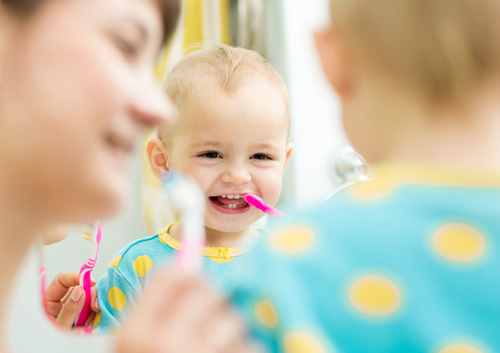
It's a Wrap: Ending the year with a smile!

December 31st, 2014

People have been ushering in the New Year for centuries but it became an official holiday in 1582 when Pope George XIII declared January 1st to be the day on which everyone would celebrate the New Year. At midnight people would yell, holler, and blow horns to scare away the evil spirits of the previous year so the New Year would be joyous and filled with opportunity. Nearly 500 years later, we still greet the New Year by whooping and hollering, but in a celebratory manner instead. Whether you intend to ring in the New Year quietly at home in the Roseville, CA area or have plans to join the countdown at a gala extravaganza, these tips can help you ring out the old and usher in the new with a smile.

Tips for a Happy New Year's Eve Celebration from Sidney D. Kelly, DMD Family and Cosmetic Dentistry

  • Be Safe. There's no way to predict the behavior of others on New Year's Eve, but you can be responsible for your own behavior to keep yourself safe. If adult beverages will be part of your celebration, plan on spending the night wherever you are or line up a designated driver to bring you home after the party is over.
  • Enjoy Family and Friends. Spending time with the important people in your life is what makes the holidays enjoyable. Coordinate your schedules and choose New Year's Eve activities that everyone in the group will enjoy. You don't have to go to a party to ring in the New Year; some people like to go bowling, see a movie, or have a great meal at home.
  • Accessorize with a Smile. Whether you dress up or have a quiet dinner with family and friends, one of the best accessories you can add to your attire is a beautiful smile.

New Year's Eve is a time to gather with friends and family, reflect on the year that's coming to an end, and look forward to the new one with anticipation. Enjoy this transitional holiday in a way that's safe, healthy, and fun. After all, counting down until the clock strikes 12 marks the beginning of a full year of opportunity ahead of you. From Drs. Sidney and Jacob Kelly, have a great new year!.
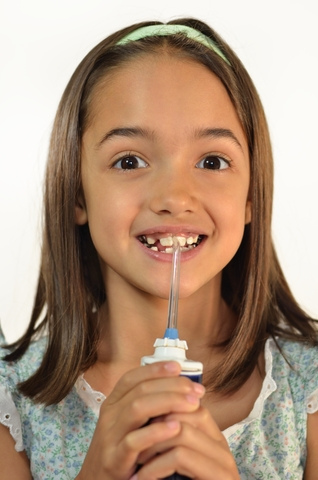

What is a water pick and do I need one?

December 24th, 2014

Water picks, sometimes called “oral irrigators,” make an excellent addition to your regular home care regimen of brushing and flossing. Especially helpful to those who suffer from periodontal disease and those patients of ours undergoing orthodontic treatment with full-bracketed braces, water picks use powerful tiny bursts of water to dislodge food scraps, bacteria, and other debris nestled in the crevices of your mouth. Children undergoing orthodontic treatment may find using a water pick is beneficial if their toothbrush bristles tend to get caught on their wires or brackets.

When you use a water pick, you’re not only dislodging any particles or debris and bacteria you might have missed when brushing, you are also gently massaging the gums, which helps promote blood flow in the gums and keeps them healthy. While water picks are an excellent addition to your daily fight against gingivitis and other periodontal diseases, they are incapable of fully removing plaque, which is why Drs. Sidney and Jacob Kelly and our team at Sidney D. Kelly, DMD Family and Cosmetic Dentistry want to remind you to keep brushing and flossing every day.

If you have sensitive teeth or gums and find it uncomfortable to floss daily, water picks are a good alternative to reduce discomfort while effectively cleaning between teeth. Diabetics sometimes prefer water picks to flossing because they don't cause bleeding of the gums, which can be a problem with floss. If you have a permanent bridge, crowns, or other dental restoration, you may find that a water pick helps you keep the area around the restorations clean.

So how do you choose the right water pick?

Water picks are available for home or portable use. The home versions tend to be larger and use standard electrical outlets, while portable models use batteries. Aside from the size difference, they work in the same manner, both using pulsating water streams. A more crucial difference between water picks is the ability to adjust the pressure. Most home models will let you choose from several pressure settings, depending on how sensitive your teeth and gums are. Most portable models have only one pressure setting. If you want to use mouthwash or a dental rinse in your water pick, check the label first; some models suggest using water only.

Please give us a call at our Roseville, CA office if you have any questions about water picks, or ask Drs. Sidney and Jacob Kelly during your next visit!

Kids and Teeth Grinding

December 17th, 2014

Grind, grind, grind… if your little one happens to be a teeth grinder, you may be familiar with this unpleasant sound. Teeth grinding, or what Drs. Sidney and Jacob Kelly and our team at Sidney D. Kelly, DMD Family and Cosmetic Dentistry also call bruxism, is common in children. In fact, three out of ten kids grind or clench their teeth, usually in response to stress, jaw growth, malocclusion, losing teeth, or other discomforts, such as allergies. Kids typically outgrow teeth grinding by the time they reach their teenage years.

Many kids who grind their teeth in their sleep have no idea they’re doing it. In fact, when they wake up in the morning they feel no jaw, facial, neck, or shoulder pain. In most cases, if it hadn’t been for a parent or sibling telling them about it, the teeth grinding would have gone unnoticed.

There are children, however, who wake up with jaw pain, shoulder pain, neck pain, and headaches. Teeth grinding can cause a host of dental complications, from cracked teeth and receding gums to a misaligned jaw. Drs. Sidney and Jacob Kelly will tell you that teeth grinding is not something to take lightly. Teeth grinding can have serious consequences that, if left untreated, can lead to tooth fractures and damage to the temporomandibular joint, also known as TMJ.

The first step in helping your child recover from teeth grinding is noticing and diagnosing the problem. Symptoms of teeth grinding typically include:

  • Grinding noises when your child is sleeping
  • Complaints of tightness or pain in the jaw
  • Complaints of headaches, earaches, or facial pain
  • Complaints of pain when chewing
  • Tooth sensitivity
  • Chipped, worn down, or loose teeth

If you suspect your child is a teeth grinder, Drs. Sidney and Jacob Kelly and our team will be able to help. Please give us a call at our convenient Roseville, CA office! We look forward to treating your child!

When should my child start using toothpaste and how much should I use?

December 10th, 2014

As a parent, it is your job to instill good dental habits in your kids, and this starts even earlier than you might realize. The American Academy of Pediatric Dentistry responds to the “when to start” question with a succinct “The sooner the better!”

From the time your baby is born, you should make sure that your child’s gums are regularly cleaned using water and a toothbrush made for infants. Once the first tooth erupts, you should visit the pediatric dentist for the first time. Drs. Sidney and Jacob Kelly and our staff often recommend that if your child is a year old, but has yet to get the first tooth, you should bring your son or daughter to our Roseville, CA office for his or her initial dental care appointment.

Once your child’s teeth start to appear, you can begin brushing two times per day, using fluoride toothpaste. Choose a toothbrush made specifically for your child’s age group, and one with has soft bristles.

Only a small smear of toothpaste is needed if your child is under two years old. Once the child celebrates his or her second birthday, you can use a pea-sized amount of fluoridated toothpaste. Continue this practice until your child is five.

Of course, it is important that you monitor your child’s tooth brushing closely to help educate about proper techniques. Some young children might try to eat or swallow toothpaste, and this needs to be strongly discouraged. Be sure to teach proper rinsing and spitting behavior to round out your child’s early childhood tooth-care regimen.

For young kids, tooth brushing can be made into a fun event, and you can find a multitude of special toothbrushes that appeal to kids. There are even uniquely flavored and colored toothpastes that might encourage your child to get into the brushing game!

Contact Us!
call email